


What Happen When the Host Wants to be the Star/Artist?
- Haitianbeatz

- Dec 19, 2025
- 5 min read

By Haitianbeatz
Entertainment media is supposed to shine a light on artists and bands in the HMI. It’s the place fans go for real updates, new music, tour plans, and honest interviews. But lately, a lot of that light has shifted.
If you’ve been around the HMI circle this year, you’ve felt the “blanket” effect. New albums are out. Bands are gearing up for end-of-year tours. Still, the coverage feels thin or missing. Instead, the loudest content is often media people talking about themselves, interviewing themselves, and treating their own opinions as the headline.
This post breaks down what’s happening, why it matters, and what fans and artists can do next.
Entertainment media’s job in the HMI, and what changes when the mic turns inward
At its best, entertainment media does a few simple things well:
It reports what’s happening (releases, tours, lineup changes).
It promotes the art without acting like the main act.
It documents the scene so history doesn’t get rewritten later.
It asks hard questions when something feels off.
It adds context, so fans understand the why, not just the what.
When the mic turns inward, those basics get replaced by personality-first content. The “host” becomes the product. The show becomes a mirror. And the HMI scene starts to feel like it’s on pause, even when it’s moving fast.
You can spot this shift in headlines that center the outlet, not the artist. You can hear it in interviews where the host talks more than the guest. You can see it in social feeds full of inside jokes, platform feuds, and victory laps.
Covering the stars versus being the star, how to spot the difference
A good entertainment segment should leave you knowing more about the music. A self-centered segment leaves you knowing more about the host.
Here’s a simple checklist you can keep in your head:
Who is the story about? The artist’s work, or the host’s feelings.
Who talks the most? The guest, or the interviewer.
What gets named? Songs, dates, credits, venues, or “behind the scenes” gossip.
What’s the proof? Clear sources, or “trust me, I heard.”
What’s the payoff? A better view of the art, or a boost for the platform.
If you finish a piece and can’t name the album, the single, or the tour city list, that’s a sign the spotlight moved.
Attention is limited. Time is limited. When media personalities spend that time building their own brand, something else gets cut.
Often it’s the “quiet work” that fans still need: release calendars, tour prep coverage, short album notes, and follow-ups after announcements. That work doesn’t always create drama, and drama is easier to sell.
So the feed fills with commentary about commentary. A small disagreement becomes a week-long saga. A vague post turns into five reaction videos. Meanwhile, the bands keep working, and the scene gets less documented.
Silence creates a weird illusion. It can make fans think nothing is happening. In reality, plenty is happening, it’s just not being covered.
When entertainment media focuses on itself, the loss isn’t abstract. It shows up in basic, day-to-day ways.
Discovery drops. Smaller acts get skipped. Big releases don’t get explained. And when context is missing, rumors move in fast.
The HMI scene relies on shared info. If the media stops serving that function, the community becomes fragmented. Fans argue over half-truths. Artists get blamed for plans they never announced. Everyone feels like they’re behind.
Music releases are time-sensitive. Tours are even more time-sensitive. If coverage doesn’t hit in the window, it often doesn’t hit at all.
When an album drops, artists need early attention to build a wave: first-week streams, reviews, interviews, listening sessions, fan clips, and word of mouth. If entertainment media is busy spotlighting itself, that wave breaks early.
Tour announcements work the same way. End-of-year tours need quick, clear push. Fans plan rides, money, time off, and group meetups. Late coverage doesn’t help much, because the choice has already been made. People either bought a ticket or moved on.
The hardest hit group is often the mid-level band. They have real fans, but not unlimited reach. They need the ecosystem to do its job.
Fans get personality drama instead of trustworthy updates
Fans don’t follow entertainment media just for jokes. They follow for answers: release dates, tracklists, tour routes, venue changes, openers, set hints, and real interviews.
When the content becomes “talking about ourselves,” fans get noise instead of news. That noise creates confusion:
A tour rumor spreads, and the official post gets ignored.
A clip gets taken out of context, and it becomes a fight.
A host’s opinion gets repeated like it’s a fact.
It also turns the scene into teams. People pick sides based on platforms, not music. That’s great for engagement, but bad for trust.
This isn’t just about ego, even though ego plays a part. There are incentives that push media personalities toward being the main character.
Attention brings followers. Followers bring sponsors. Sponsors bring money. And money brings more pressure to stay visible, even if there’s no real news to share.
There’s also status. Being “close to the stars” feels like winning. Some people build their whole identity on that closeness.
Algorithms reward loud takes and self-branding more than steady reporting
Most platforms reward volume and reaction. They push conflict because conflict holds people longer.
A calm tour update is useful, but it doesn’t always spark comments. A hot take about another host does. A quiet album review might help fans, but a feud clip can spread faster.
That reward system trains creators to post what performs, not what informs. Album and tour coverage loses because it’s slower, and it can’t always be turned into a fight.
Access, status, and the need to be “in the conversation”
In the HMI scene, access is currency. If you’re seen with the right artist, you look important. If you use insider language, you sound connected. If you gatekeep info, you control the room.
That’s where the pattern gets obvious. When a personality isn’t part of the conversation, they try to insert themselves into it. They interrupt. They name-drop. They twist the topic back to their own role.
Over time, the audience starts hearing more about the media’s place in the scene than the scene itself.
How to fix it, what better HMI coverage can look like (and how fans can support it)
Better coverage doesn’t require a giant budget. It requires standards and focus. It also requires fans and artists to reward the right behavior.
What fans and artists can do when the spotlight gets hijacked
Fans have more power than they think:
Follow artists and bands directly for official updates.
Share official announcements more than reaction clips.
Support outlets that consistently cover albums and tours.
Ask for real coverage in a polite, public way (dates, links, receipts).
Artists can protect their momentum too:
Post updates on a steady schedule during release and tour windows.
Keep a clean press kit (bio, photos, credits, links, contacts).
Build a media list, even if it’s small and local at first.
Partner with community pages that post facts, not feuds.
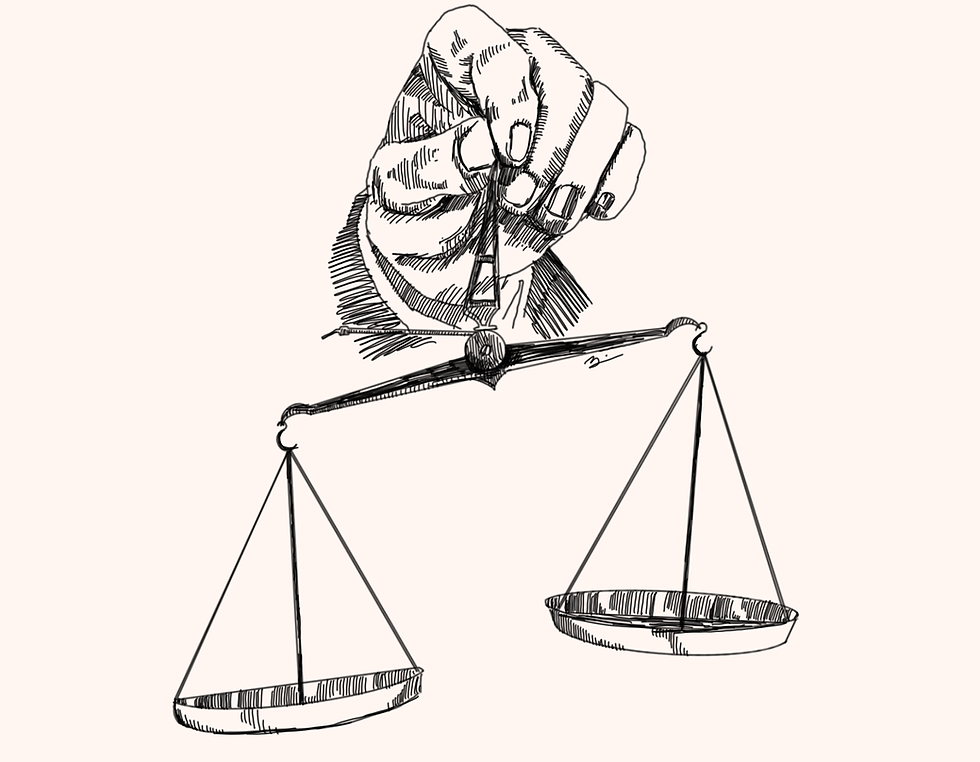
Heading to 2026, the scene needs a current that can beat this disease, call it artist syndrome, where the media wants the artist’s spotlight more than the artist does.
When entertainment media tries to be the star, the real stars get less attention. The whole HMI scene gets less informed, less connected, and more divided. Albums drop with less noise, tours get announced with less push, and fans are left sorting rumors from facts.
The fix is simple, but it takes choices. Fans can reward reporting that serves the music. Artists can speak clearly and often. Media can return to the job, cover the work, verify the news, and let the spotlight stay on the artists.


Comments