


Alan Cave's Boston Concert Could Redraw the Ceiling for Haitian Music in the U.S.

By Moses St Louis
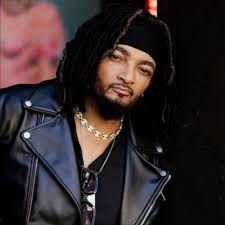
When promoter Pelege Marcelin told Alan Cave he wanted to book him as a solo headliner at MGM Music Hall in Boston, the idea sounded almost unreal. Alan reportedly laughed it off. In his mind, Boston had never looked like a market where he alone could fill a major room.
Now that same show is pushing close to a sellout in a 5,000-capacity venue. That makes this more than a hot night on the calendar. It feels like a signal that Haitian music in the United States may be entering a new phase.
Why this Alan Cave concert in Boston feels bigger than one night
A near sellout at MGM Music Hall matters because it changes the scale of the conversation. This is not a packed club date. It is not a nostalgia-heavy reunion. It is not a multi-act event where attention gets split. It is one artist, one name, and one room that forces everyone to rethink what is possible.
For years, many people in Haitian music treated the U.S. market with caution. Promoters stayed safe. Artists often did too. The logic was simple, book smaller spaces, avoid risk, and hope for a strong bar night. Because of that, the ceiling often looked lower than it probably was.
"When I come to Boston, I can hardly pull 200. Now you want me in a 5,000-capacity venue?"
That doubt is what gives this moment its weight. Alan Cave was not acting like someone reading his own hype. He sounded like an artist who knew the market, knew the usual turnout, and knew how big the jump felt. So when tickets start moving at this level, the story becomes stronger, not weaker.
The doubt was real, and that is what makes this moment powerful
Fans can spot a forced narrative from a mile away. This does not feel forced. It feels earned.
Alan Cave's first reaction showed that even he did not assume Boston could carry a solo show at this size. That matters because it strips away the easy storyline. Nobody is pretending this was obvious. Instead, the near sellout looks like the result of fan demand meeting promoter vision at the right time.
A 5,000-capacity venue changes the conversation
MGM Music Hall is the type of room that makes people pay attention. A venue that size asks bigger questions. Can one Haitian solo act drive advance sales? Can fans turn online excitement into real attendance? Can promoters trust that this market will show up?
If the answer is yes, even once, people stop treating large U.S. rooms as fantasy. They start treating them as options.
What this says about the new direction of Haitian music in the United States
Haitian artists have long shown they can attract major crowds in Europe. That has never shocked anyone who follows the scene. The diaspora there has supported concerts with energy, pride, and consistency for years. In contrast, the United States has often felt harder to unlock at the same level.
That gap has always been frustrating. The Haitian population in the U.S. is large, visible, and deeply connected to the music. Still, that support did not always show up in a way that translated into headline-scale solo bookings. Part of it came from habit. Part came from promoter caution. Part came from fans waiting for bigger occasions instead of treating one artist's concert as the occasion itself.
This is why Alan Cave's Boston moment feels important. It suggests the audience is changing its behavior. Fans are not only showing love online. They are buying tickets to see one artist carry an entire room.
Europe was always strong, but the U.S. market felt harder to unlock
The contrast has been clear for a long time. In Europe, large Haitian events often felt normal. In the U.S., they felt rarer and more conditional.
Usually, American success came with extra ingredients, a rivalry, a legendary pairing, a festival feel, or a stacked bill. That did not mean demand was missing. It meant the market had not yet fully trusted the solo-headliner model.
Fans are showing they will support a solo Haitian headliner
That may be the biggest takeaway from Boston. A solo act must carry the full weight of ticket demand. There is no second headliner to share the draw. There is no event gimmick to hide behind.
When fans buy into that format, they send a message:
To promoters: bigger rooms are worth testing.
To venues: Haitian audiences can support premium spaces.
To artists: your name alone may carry more value than old assumptions suggest.
That is how markets shift, not with speeches, but with ticket scans.
Past big events opened the door, but this is a different kind of milestone
None of this should erase earlier success. Haitian music has already produced major nights in the U.S., and those events deserve respect. Fans still talk about shows like Phantoms and Zin, Phantoms and Tabou Combo, and LNDJ, Festivals like Haitian Compas Fesival that was once reported by Rolling stone as the 8th biggest festival in America for a year, because those nights proved turnout was there when the matchup felt big enough.
Those concerts helped build the culture of expectation. They showed that a strong Haitian audience could create a packed room and a big-night atmosphere in America. In that sense, they laid part of the foundation for what is happening now.
Still, this Boston concert lands differently because the structure is different. The history matters, but so does the distinction.
Big crowds happened before, but usually around major group events
Past breakouts often centered on multiple acts, famous bands, or event-style pairings. That formula works because it combines fan bases and raises the stakes. It turns the show into a shared cultural moment.
There is nothing small about that. It is a proven model. Yet it also makes it harder to measure what one artist can do alone.
Why a solo near sellout matters in a whole new way
A solo near sellout gives the industry a cleaner form of proof. One name drew the crowd. One artist moved the room. One brand carried the risk.
That can affect future decisions fast. Venues may become less hesitant. Sponsors may take Haitian concerts more seriously. Promoters may stretch beyond the club circuit. Most of all, artists may stop thinking small because the market taught them to.
If Alan Cave pulls this off, what comes next for Haitian artists and promoters
Success at this level creates a new reference point. Promoters often need one clear example before they change how they book. A strong Boston result could become that example.
It does not mean every artist should jump into a 5,000-capacity room tomorrow. Markets differ. Fan bases differ. Timing matters. Still, one successful night can widen the lane for everyone else.
Promoters may start betting bigger on Haitian solo acts
Promoters are in the risk business. They dream big, but they also watch numbers. When a solo Haitian act comes close to filling MGM Music Hall, the numbers start speaking louder than old fears.
As a result, more promoters may test theaters, larger halls, and stronger advance campaigns. They may also market Haitian shows less like niche events and more like serious live music properties.
Boston could become a model for other U.S. cities
Boston has a strong Haitian community, so it makes sense as a test market. But its value may go beyond one city. If this show works, other markets will study the ingredients, community reach, timing, media push, and fan urgency.
Cities like New York, Miami, Orlando, Atlanta, and Montreal-adjacent circuits will watch closely. So will cities with smaller Haitian populations but strong Caribbean concert habits. Momentum travels when people believe they are watching the start of something real.
New trend in the HMI
This Boston moment does not stand alone. The Haitian Music Industry, often shortened to HMI, has been giving off signs that the model is shifting.
Carimi helped set that tone with a UBS Arena concert that drew more than 12,000 people, then saw similar strength in Miami. After that, Medjy took his own step with different concerts at The Theater at Madison Square Garden similar venue in Boston and Miami, they were not soldtout but close. Arly Larivière followed with a similar move at a soldout venue at The Theater at MSG, and he appears close to testing that kind of demand in Orlando as well.
That pattern matters because it looks less like luck and more like a market correction. In other music scenes, major bands and top artists are expected to headline theaters and arenas. Haitian music has often lagged behind that standard in the U.S., even though the audience base has been there all along.
New York alone has more than enough Haitian presence to support huge turnouts. Put plainly, it should not have taken this long for top Haitian acts to aim for 20,000 people across major event runs. That target is a small slice of the community, not an impossible dream.
For artists, this shift brings relief. Too many have spent years grinding every weekend in clubs to make ends meet. Bigger rooms can mean better pay, better planning, and more breathing room to build a career with real scale. By all accounts, more artists and bands are preparing to push while the momentum is hot. That is good news for the whole scene, from singers and musicians to DJs, promoters, and fans.
Alan Cave and Pelege Marcelin deserve credit for taking the swing. Sometimes an industry changes because someone finally books the room that everybody else was afraid to touch.
Alan Cave laughed at the idea at first. That reaction made sense then. It just may not fit the market anymore.
If Boston finishes what it has started, this night will stand for more than one near sellout. It will stand for a new ceiling for Haitian artists in the United States.
The dream looked too big when it was first spoken out loud. Now it looks like the kind of dream that can pull a crowd, shift an industry, and leave the next promoter thinking even bigger.
I report, you decide


Comments